Notice PIH-2020-24: Housing and Housing Choice Voucher Funds, Guidance on CARES Act Financial Reporting Requirements (FDS and Quarterly Reporting), and Other CARES Act Provisions
On September 14, HUD released a much anticipated notice, the “FDS CARES Act Reporting Requirements Notice.” Due to the ongoing pandemic and detrimental impact this disaster still poses to communities throughout the United States, HUD and PIH have announced they are extending previously defined deadlines for PHAs to expend the Supplemental Public Housing Operating Funds provided to qualifying agencies within the CARES Act through December 31, 2021. This extension specifically affects CARES Act operating funds, HCV supplemental HAP and administrative fees, and PBRA funds for moderate rehabilitation programs. The notice also provides reporting requirements and regulatory guidance for supplemental fund usage.
CLPHA has been strongly urging HUD to release reporting requirements for months, to limit any confusion and hesitation surrounding the use of CARES Act funds. We are encouraged by this release and hope PHAs will find this process easy to navigate going forward.
|
|
Notice PIH-2020-26: Rental Assistance Demonstration (RAD) – Supplemental COVID-19 Guidance
On September 18, HUD published the “Rental Assistance Demonstration (RAD) - Supplemental COVID-19 Guidance” notice permitting PHAs to use CARES Act Operating Funds for RAD converted projects within the year of the HAP effective date. These supplemental payments may be used for project operating expenses, capital expenses identified within the project’s development project, and expenses related to combating the coronavirus. The funds must be used for immediate expenditures and, similar to other CARES Act Operating Funds, they must be expended by December 31, 2020. This notice also lays out procedures for resident and community meetings during the COVID-19 pandemic for RAD conversions. PHAs and/or owners are permitted to use alternative means listed in the notice to conduct community meetings to prevent the spread of the coronavirus through person-to-person contact.
|
|
Notice PIH-2020-25: Emergency Safety and Security Grants Annual Funding Notification and Application Process
On September 17, HUD released a notice entitled “Emergency Safety and Security Grants Annual Funding Notification and Application Process,” which provides guidance for PHAs seeking emergency capital needs and set-aside funding for improving safety and security. This includes implementing measures to address crime and drug-related activity (security systems, cameras, fencing, lighting systems, window bars, deadbolt locks, etc.), as well as installing equipment to detect carbon monoxide. PIH will fund grants to pay for expenses related to reducing threats to the health and safety of residents. A PHA may apply for more than one of its safety and security projects, as long as the total does not exceed an overall total of $250,000 for each PHA per year (application cycle). PHAs that apply for this grant are expected to have already attempted to address these threats and must provide a thorough explanation of how the identified crime or drug-related activity has increased the threat to the health and safety of their public housing residents.
Yesterday, HUD issued PIH Notice 2020-22, which outlines the process for applying for additional Mainstream vouchers as part of the response to COVID-19, reviews waivers being made available for Mainstream vouchers, and describes changes to HUD’s methodology for CY2020 Mainstream renewal funding.
The CARES Act granted HUD the authority to award unobligated Mainstream funding from previous appropriations through a noncompetitive process to help PHAs respond to COVID-19. In May, through PIH Notice 2020-09, HUD non-competitively awarded unobligated Mainstream funding to PHAs with previous awards by providing those PHAs with a 30% increase in the total number of vouchers received from the 2017 and 2019 competitions combined.
Under this notice, which again non-competitively awards unobligated Mainstream funding, all PHAs with an HCV program are eligible to apply, regardless of whether they have previously received a Mainstream award. Up to $150 million in Mainstream funding from 2018 and 2019 appropriations will be awarded. Please see the notice for complete instructions on how to apply.
Maximum award amounts are based on PHA size:
- PHAs with more than 5,000 vouchers can receive up to 100 vouchers
- PHAs with between 1,000 and 4,999 vouchers can receive up to 75 vouchers
- PHAs with fewer than 1,000 units can receive up to 40 vouchers
Waivers HUD is making available to PHAs for the Mainstream Program are covered in PIH Notice 2020-05 and 2020-13. As stated in both notices, waivers available for the HCV Program also apply to Mainstream. These waivers are set to expire on December 31, 2020. This notice also covers three additional waivers only available to Mainstream, including:
- Initial Lease Term – PHAs may enter initial lease terms of less than one year for Mainstream Voucher holders, regardless of whether the shorter lease term is a prevailing market practice.
- Criminal Background Screening – PHAs may establish screening requirements for Mainstream applicants that are distinct from those in place for the HCV program in general. PHAs must continue to comply with federal screening requirements related to lifetime sex offender registry and drug-related criminal activity.
- Mainstream Age Eligibility to Enter HAP Contract Statutory Authority – Mainstream households must be non-elderly, defined as at least 18 years and under 62 years of age. PHAs may expand the definition of eligibility to include households where the eligible member has turned 62 but is not yet 63 years of age.
This notice also clarifies that the $229 million included in the FY20 final spending agreement for Mainstream covers renewal needs only and no new Mainstream vouchers. HUD is also applying a one-time renewal formula change for CY2020 Mainstream renewal funding, due to changes in the Mainstream Program’s eligible population and previous CARES Act awards. CLPHA will have additional analysis of those changes shortly.
For questions about the notice, contact Research & Policy Manager Emily Warren at [email protected].
About the Council of Large Public Housing Authorities
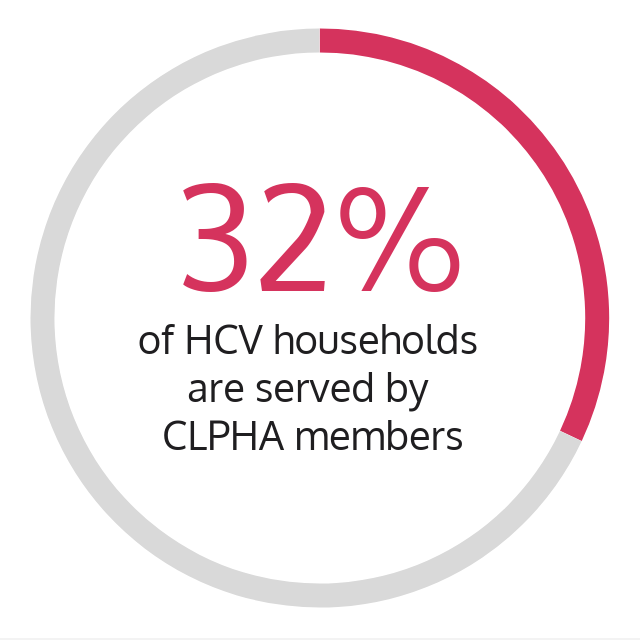
The Council of Large Public Housing Authorities is a national non-profit organization that works to preserve and improve public and affordable housing through advocacy, research, policy analysis and public education. CLPHA’s 70 members represent virtually every major metropolitan area in the country. Together they manage 40 percent of the nation’s public housing program; administer more than a quarter of the Housing Choice Voucher program; and operate a wide array of other housing programs. Learn more at clpha.org and on Twitter @CLPHA and follow @housing_is for news on CLPHA’s work to better intersect the housing field and other areas of critical importance such as health and education.